You must have routine sanitation based upon potential hazards, operational volume, food allergen presence, and regulatory checks, combined with verification documentation supporting food safety protocols, inspection results, and government health requirements. The information below detail critical cleaning system elements.
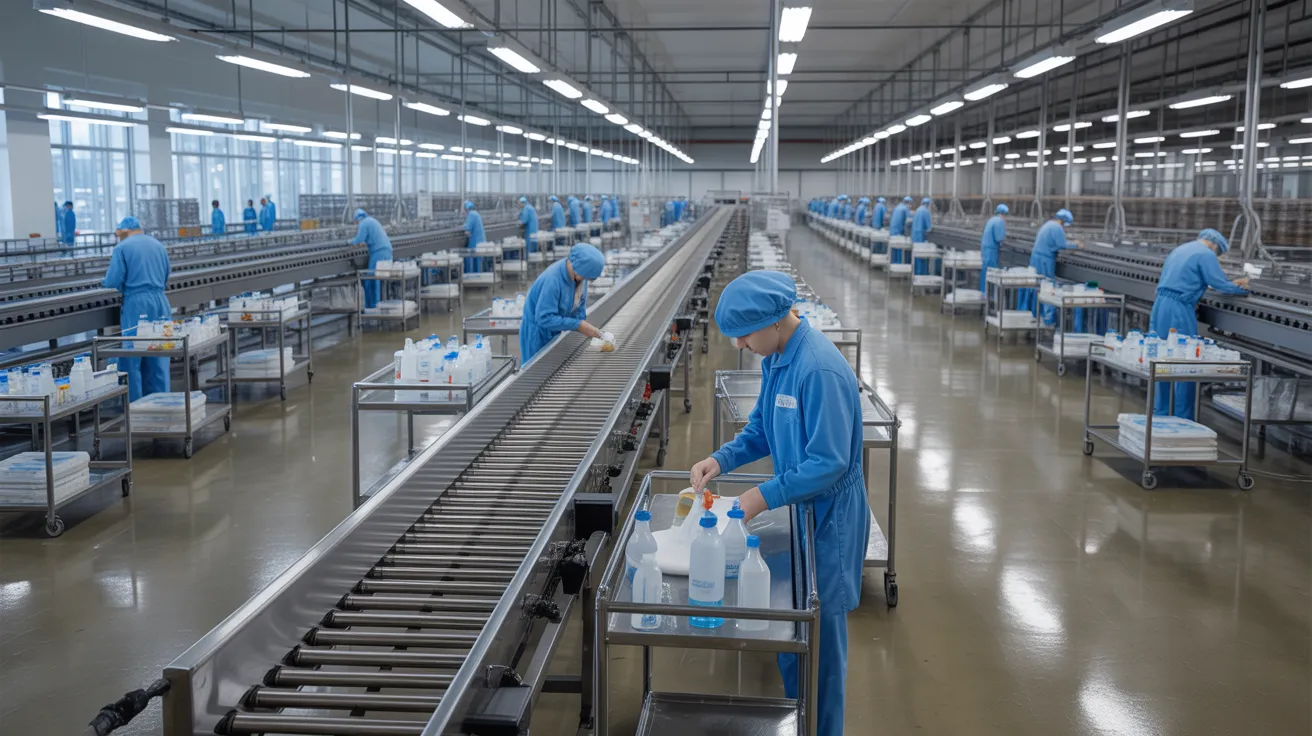
Main Points
- Sanitation professionals from Brampton assist restaurants, grocery departments, commissaries, warehouses, bakeries, schools, mobile vendors, and allergen-sensitive operations.
- Area-specific procedures sanitize high-touch surfaces, food-contact equipment, kitchens, floors, drains, restrooms, and storage areas for avoiding cross-contamination.
- Recording of completion through samples, assessments, and action records ensures trained specialists have verified proper chemical concentration, appropriateness, and contact time.
- Hygiene calendars should respect hazard, production volume, transitions, spills, and standards, with regular, recurring, and periodic tasks assigned by section.
- Providers must possess hazard analysis knowledge, public-health knowledge, safety training training, coverage, credentials, colour-coded instruments, and inspection-ready sanitation paperwork.
Food Safety Cleaning Requirements for Brampton Operations
You must adhere to food safety cleaning if your establishment is subject to health inspections, food codes, or HACCP protocols. This covers dining establishments, employee cafes, distribution hubs, market sections, meat shops, fish stands, retail outlets, and food service kitchens.
You'll also need adherent sanitation standards in warehouses, food manufacturing plants, cold storage sites, retail bakeries, school nutrition programs, banquet halls, and meal delivery hubs. Portable business models apply too, examples being catering trucks, festival vendors, and pop-up food booths. Should your workers process ingredients, portion ready-to-eat items, reheat products, or store allergens, your venue requires written cleaning standards. In Brampton, hygiene is compulsory; it forms lawful, operational, and customer protection standards.
What Do Brampton Cleaning Professionals Handle?
You need professional cleaners who sanitize high-touch surfaces, kitchens, floors, and bathrooms to comply with food safety and health regulations. They target these areas because they present the highest risk for contamination spread, slip hazards, and hygiene violations.
By knowing exactly what gets cleaned, you are able to confirm your operation's sanitation protocols meet compliance standards.
Disinfecting High-Touch Zones
establish how regularly each point is cleaned
By changing wipes, implementing sequential processes, and segregating sanitization equipment by area, you maintain a verifiable, well-documented, and inspection-ready sanitizing protocol.
Kitchens, Floors, and Restrooms
Brampton cleaning professionals will address kitchens, floors, and restrooms since each space presents separate hygiene concerns, injury, and public health challenges. In industrial kitchens, you need grease removal from cooking stations, appliance surfaces, drain systems, preparation areas, and backsplashes to reduce contamination and pest pressure.
Professional floor care with documentation is also included. is likewise provided as part of the service.
Restroom cleaning requires disinfecting touch areas, bathroom equipment, stall barriers, supply stations, and bins, restocking supplies and controlling odours. They also maintain restaurant cleaning supply rooms where product storage, sink cleanliness, and drain systems impact daily sanitation standards and worker protection.
How Food Safety Cleaning Benefits Brampton Operations
To adhere to health code requirements and succeed in audits, Brampton establishments must follow food-safe cleaning standards. You also minimize bacterial spread through proper cleaning of food-preparation surfaces, appliances, and frequently-touched items. Most importantly, you safeguard community wellness by reducing the chance of food poisoning in your establishment.
Regulatory Code Requirements
Because Brampton food companies operate under mandatory safety protocols, food safety cleaning directly determines your capability to fulfill health code requirements, safeguard customers, and sidestep enforcement action. You must maintain sanitary food-contact surfaces, recorded sanitation plans, correct sanitizer application, and verifiable staff procedures that comply with municipal and provincial inspection expectations.
Failure to maintain cleaning standards results in infractions, compliance orders, loss of reputation, and service interruption during further inspections or enforcement actions.
Cross-Contamination Management
Adhering to regulatory guidelines requires your expertise in stopping cross-contamination throughout daily food handling and cleaning. You need to isolate uncooked items from finished products, clean prep surfaces between tasks, and store cleaning supplies separately from food. Structured procedures reduce transfer risks and maintain ongoing regulatory adherence.
Implementing allergen separation helps ensure major allergens don't touch communal work zones, bins, or devices. Utilize separate boards, color-labeled items, and strict utensil labeling so workers don't combine products while preparing or distributing. Enforce hand hygiene following raw meat, seafood, eggs, or allergen-containing products. Replace wiping cloths regularly, and verify sanitizer strength with test strips. When you train staff to follow these controls every shift, you establish a more hygienic, safer workplace that satisfies Brampton's food safety needs daily.
Public Wellness Defense
When food safety cleaning deteriorate, you don't only face inspection setbacks—you raise the likelihood of food contamination striking customers, staff, and the larger Brampton community. You also undermine your responsibility in protecting public health, especially in high-traffic food premises where pathogens travel quickly through surfaces, equipment, and touchpoints.
You depend on cleaning procedures that remove soils, properly disinfect, and ensure effectiveness. This involves maintaining contact periods, deploying approved disinfectants, recording schedules, and coaching staff to fulfill health-unit expectations. These actions support pathogen control by reducing microbes before contaminating food or hands. In Brampton, robust sanitation shields vulnerable populations, minimizes disease spread, and demonstrates accountability. When you adhere to proper protocols, you go beyond regulations—you meaningfully lower danger and advance safer food handling throughout the city.
In What Ways Does Cleaning Help Achieve Food Safety Compliance?
Thorough cleaning protocols promote food safety compliance by reducing contamination risks, controlling pathogen growth, and ensuring your facility complies with sanitation requirements under HACCP-based programs and public health regulations. You confirm that food-handling surfaces stay visibly clean and microbiologically controlled, enabling documented preventive controls and inspection readiness.
Diligent cleaning also reinforces allergen mitigation by clearing residues that can trigger undeclared allergen exposure. When you integrate established sanitation practices with safety training, your staff can execute standardized methods, apply approved chemicals accurately, fill out documentation accurately, and address variations before escalation occurs. Regular cleaning facilitates traceability, verifies corrective actions, and exhibits accountability throughout audits. Furthermore, it aids you preserve product safety, maintain operational adherence, and reduce the risk of regulatory actions, recalls, formal complaints, and unnecessary health dangers.
Finding When to Schedule Commercial Cleaning
spill incidents, and following-maintenance work
shutdowns, seasonal-related soil accumulation, or pest-control management timeframes.
Selecting the Right Brampton Cleaning Experts: Key Considerations
Start by screening providers against food sanitation standards, not cost only. You should verify that each company understands CFIA, public health, and HACCP compliance standards relevant to your facility. Ask for proof of insurance, WHMIS compliance, documented staff training, and supervision practices. Review whether technicians understand contamination prevention, chemical handling, and traceable sanitation records.
You must also evaluate operational reliability and oversight. Seek references from food facilities in Brampton, then assess response speed, corrective processes, and communication standards. Ensure the company enables supplier checks and can provide inspection-ready documentation when authorities or third parties demand verification. Verify equipment care, color-coded items are deployed correctly, and operational-specific risks are understood. A reputable service safeguards compliance, product integrity, and your market standing.
What's included in a Food Safety Cleaning Plan?
Establish a documented plan that clarifies every sanitation duty, standard, and accountability before production begins. You should specify cleaning intervals, permitted substances, dilution percentages, exposure times, instruments, and inspection methods for each sector, surface, and equipment. Add pre-operational inspections, corrective actions, and employee training requirements.
Your strategy should also tackle prevention of contamination, waste management, pest-control tactics, and scheduled records for facilities, drains, flooring, and food-preparation surfaces. Specify how you'll separate raw and ready-to-eat processes, facilitate ingredient tracking, and keep accurate allergen labeling through validated cleaning between product changes. You should establish accountability, document signed records, and assess results against regulatory standards, HACCP controls, and customer requirements. When gaps appear, update procedures immediately and retrain staff.
Popular Asked Inquiries
Will cleaning services handle overnight shifts at Brampton properties?
If you run regulated facilities, you'll also require documentation that support inspections and ensure compliance.
Will sanitation professionals respond to hazardous incidents?
Yes, you can find many Brampton sanitation professionals who offer emergency spill response services. They manage hazardous materials, evaluate dangers, isolate affected areas, and start rapid decontamination to minimize risk and prevent business interruption. You should confirm response times, training certifications, PPE protocols, and disposal procedures. If your facility must meet regulatory requirements, choose a provider that records events, maintains regulatory procedures, and supports audit readiness.
Will eco-friendly disinfectants disinfect safely food-contact surfaces?
Yes, plant-based sanitizers can be safe for food-handling equipment if you opt for products labeled food safe and complying with regulations. You should validate contact duration, mixing proportions, and rinse requirements before deployment. Many natural-based solutions reduce harsh chemical exposure, but you should gather evidence of effectiveness against target microorganisms. To keep surfaces residue-free, you need to follow manufacturer directions precisely and verify the sanitizer meets food industry regulations.
Can cleaning schedules be adjusted for seasonal variations?
Absolutely, cleaning plans are customizable for seasonal variations. Modify intervals, labor allocation, sanitizers, and verification steps to correspond to seasonal patterns while preserving compliance standards. Reduce operational delays through planning sanitization during line changes, peak seasons, and operational patterns. Further modify written procedures, training, and environmental monitoring to account for transient threats, additional allergens, or higher contamination levels. Periodic assessments keep the plan effective.
Do professional cleaning services train employees on sanitation best practices?
Certainly, commercial cleaners train your staff on sanitation best practices. You secure employee development on correct chemical practices, contact times, cross-contamination prevention, equipment disassembly, and documentation. They generally coordinate coaching with HACCP, GMP, and CFIA or local public health standards. Many also run health assessments to check standards, identify gaps, and reinforce corrective actions. This enables you to maintain consistent procedures, satisfy audits, and minimize foodborne pathogen risks every day.
Closing Remarks
When you work with Brampton commercial cleaning and food safety specialists, you don't just tidy up—you maintain your facility audit-prepared and your protocols above board. From processing areas to kitchen spaces, every clean surface and well-kept corner minimizes unwelcome guests and avoid expensive problems. By scheduling explore now service at the right intervals and following a clear cleaning plan, you safeguard employees, patrons, and your brand image. In a strict regulatory setting, sanitary conditions aren't optional—they're part of doing business right.
Comments on “MWAC Commercial Cleaning Team”